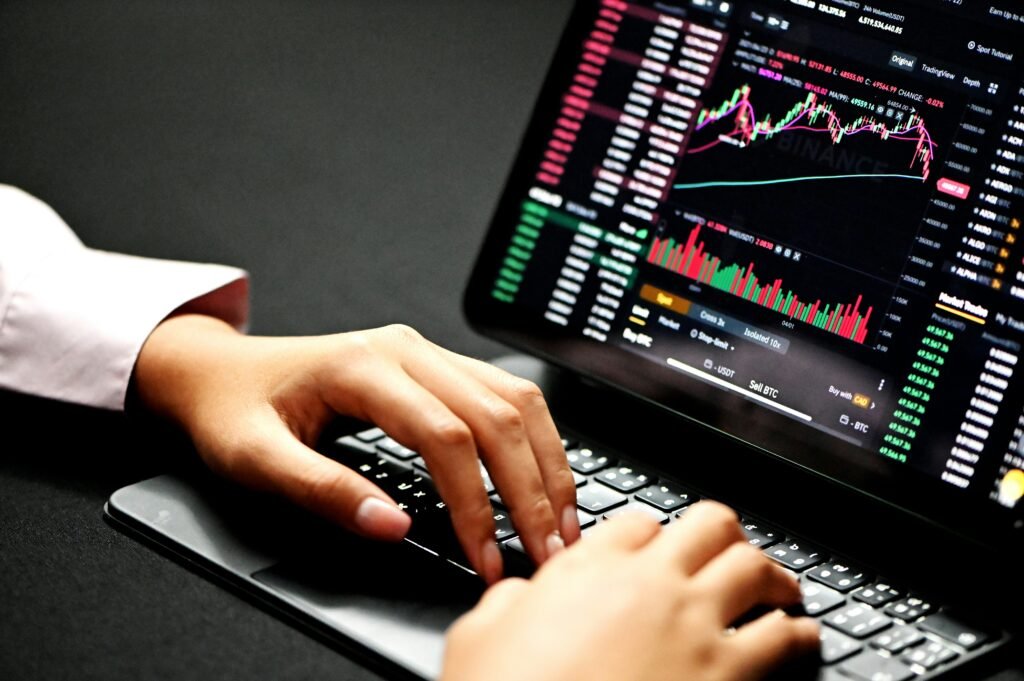
Proprietary trading, or prop trading, has evolved significantly from its origins as an internal function of investment banks to a standalone industry. Historically opaque and heavily reliant on word-of-mouth, the sector is currently undergoing a transformative shift towards greater data transparency and the emergence of more sophisticated comparison tools. This evolution is driven by several factors, including increased regulatory scrutiny, the proliferation of retail traders seeking prop firm funding, and technological advancements enabling better data aggregation and analysis. For traders and industry stakeholders, understanding these shifts is crucial for navigating the future landscape of prop trading.
The Rise of Prop Trading and Its Challenges
Proprietary trading involves firms trading financial instruments with their own capital to generate profits. While traditional prop desks within banks faced stricter capital requirements and regulatory oversight, the independent prop firm sector has experienced a boom, particularly appealing to retail traders looking to access significant trading capital without personal financial risk. These firms typically offer funded accounts to traders who successfully pass evaluation phases, often involving demo trading with specific profit targets and drawdown limits.
However, this growth has not been without its challenges. The rapid expansion has led to a crowded marketplace where differentiating between reputable firms and less scrupulous operators can be difficult. Information asymmetry has been a persistent issue, with firms often presenting their terms and conditions in ways that can be difficult for traders to compare directly. This opacity has fueled distrust and led to numerous reported complaints concerning unclear rules, hidden fees, and inconsistent payout processes. The absence of a centralized regulatory body overseeing independent prop firms, similar to those governing traditional financial institutions, further complicates the landscape.
In exploring the evolving landscape of proprietary trading, a related article that delves into the importance of data transparency and the role of innovative tools in enhancing trading strategies can be found at Funded Checker. This resource provides insights into how traders can leverage smarter comparison tools to make informed decisions, ultimately shaping the future of prop trading.
The Growing Demand for Data Transparency
The increasing number of individual traders entering the prop firm ecosystem has amplified the call for greater data transparency. Traders are seeking clarity on a multitude of factors to make informed decisions about where to commit their time, effort, and evaluation fees. This demand extends beyond basic pricing structures to the intricacies of a firm’s operational practices and historical performance.
Standardized Disclosure Requirements
One of the primary drivers for transparency is the desire for standardized disclosure. Unlike publicly traded companies that adhere to strict reporting guidelines, prop firms often have diverse and sometimes convoluted terms. Traders frequently report difficulties comparing:
- Evaluation Fees and Account Sizes: While headline figures are often clear, the total cost of evaluation, including resets, and the true buying power of funded accounts (considering leverage and specific asset classes) can vary significantly.
- Trading Rules and Restrictions: Detailed rules on news trading, holding positions over weekends, lot size limits, and prohibited strategies (e.g., martingale, high-frequency trading) are often buried in lengthy terms and conditions, leading to confusion and disqualifications.
- Drawdown Calculations: The methodology for calculating maximum daily and overall drawdown (e.g., based on initial balance, trailing equity, or highest equity point) is a frequent source of misunderstanding and trader frustration.
- Payout Structures and Processing Times: The percentage of profit split, minimum payout thresholds, available withdrawal methods, and the average time taken to process payouts are critical factors that traders need to assess. Reports of delayed or withheld payouts are significant risk signals in the industry.
Without clear, universally understood metrics, comparing firms remains a challenging, often qualitative exercise. The absence of an industry-wide standard for presenting this information forces traders to manually extract and interpret data from various sources, increasing the likelihood of oversight or misinterpretation.
Independent Performance Metrics and Verification
Beyond internal rules, traders are increasingly interested in independent performance metrics. While prop firms readily showcase their successful traders, there is a lack of publicly available, verifiable data on overall trader success rates, average profit generation, or the longevity of funded accounts. This information asymmetry favors the firms, as they control the narrative around success.
The demand is for:
- Audited Success Rates: Independent verification of the percentage of traders who pass evaluations and, more importantly, those who achieve profitable payouts.
- Average Payouts and Frequency: Data on the typical size and regularity of payouts across a firm’s funded trader base.
- Firm Longevity and Stability: Transparent reporting on a firm’s operational history, financial backing, and regulatory compliance (where applicable).
Currently, traders often rely on anecdotal evidence from forums and social media, which can be unreliable and subject to manipulation. The emergence of platforms seeking to aggregate and verify such data marks a significant step towards greater transparency.
Smarter Comparison Tools: Bridging the Information Gap
The push for transparency is naturally leading to the development of more sophisticated comparison tools. These tools aim to centralize and standardize information, enabling traders to make data-driven decisions more efficiently and with greater confidence.
Comparative Platforms and Databases
The most immediate evolution is the rise of dedicated comparison platforms and databases. These services collect, organize, and present information from various prop firms in a structured format. Key features often include:
- Filterable Search: Allowing traders to sort firms based on criteria such as account size, evaluation fee, profit split, allowable assets, and trading style (e.g., swing trading allowed, news trading allowed).
- Side-by-Side Comparisons: Presenting key metrics of selected firms in a clear, tabular format, facilitating direct comparison of rules, fees, and payout structures.
- Dynamic Rule Tracking: Given that prop firm rules can change, these tools ideally offer updated information, often with revision dates, to ensure accuracy.
- Community Reviews and Ratings: Incorporating user-generated reviews and ratings, though these must be viewed critically due to the potential for bias or manipulation. Reputable platforms often employ moderation and verification processes to enhance the reliability of such feedback.
The utility of these platforms hinges on their ability to source accurate and up-to-date information directly from firm documentation or through verified channels. The challenge remains in consistently verifying the information, especially when firm terms and conditions are subject to frequent updates or subtle interpretations.
AI and Machine Learning for Rule Analysis
The complexity and sheer volume of prop firm terms and conditions make manual analysis cumbersome. This presents a prime opportunity for AI and machine learning to revolutionize how traders interact with these documents.
- Natural Language Processing (NLP): NLP algorithms can parse through lengthy legalistic documents, extract key trading rules, identify contradictions, and flag ambiguities. This can help distill complex terms into easily digestible summaries. For instance, an NLP model could identify all clauses related to drawdown calculations across multiple firms and present them in a standardized format for comparison.
- Automated Rule Compliance Checkers: Imagine a tool where a trader could input their intended trading strategy, and the AI could highlight potential rule violations across a selection of prop firms. This proactive approach could save traders significant time and evaluation fees.
- Sentiment Analysis of Reviews: AI can analyze vast amounts of user reviews and forum discussions to identify recurring themes, common complaints, and overall sentiment towards specific firms. This can help traders identify potential risk signals that might not be immediately apparent from official firm documentation.
While still in nascent stages for this specific application, the potential for AI to enhance understanding and comparison in the prop trading space is substantial. The accuracy of such tools would depend heavily on the quality of the input data and the sophistication of the algorithms.
Predictive Analytics and Risk Assessment
Looking further into the future, smarter comparison tools could incorporate predictive analytics to offer more nuanced risk assessments.
- Probabilistic Success Estimates: Based on historical data (if available and verifiable) of trader performance against specific firm rules, an AI model might be able to provide a probabilistic estimate of a trader’s likelihood of passing an evaluation or achieving a payout, given their trading style and experience. This would move beyond simple pass/fail metrics to a more granular understanding of success factors.
- Early Warning Systems for Firm Stability: By analyzing public financial data, news articles, regulatory filings (if applicable), and even social media sentiment, AI could potentially identify early warning signs of financial instability or operational issues within prop firms, acting as a “risk signal” for traders.
- Personalized Firm Recommendations: Combining a trader’s risk tolerance, trading strategy, capital requirements, and historical performance data with a comprehensive database of prop firm offerings, AI could generate personalized recommendations for the most suitable firms.
The development of such advanced tools would require significant data aggregation and validation, presenting challenges in an industry that has historically been reluctant to share internal performance data.
The Role of Regulation and Industry Standards
While technology is driving much of the innovation in transparency and comparison, the role of regulation and the adoption of industry-wide standards cannot be overstated.
Self-Regulation and Best Practices
In the absence of direct governmental oversight for independent prop firms in many jurisdictions, self-regulation and the establishment of industry best practices become critical. Initiatives could include:
- Industry Associations: Formation of associations that advocate for transparent practices, develop codes of conduct, and provide dispute resolution mechanisms.
- Standardized Terminology: Agreement on common definitions for terms like “drawdown,” “profit target,” and “scaling plans” to eliminate ambiguity.
- Voluntary Disclosure Frameworks: Firms could voluntarily adopt standardized reporting frameworks for their rules, fees, and operational statistics, earning a “seal of approval” for transparency.
These efforts would aim to build trust within the industry and provide a clearer framework for traders, reducing the reliance on speculative information or unverified claims.
Potential for Future Regulatory Oversight
As the independent prop trading sector grows and attracts more retail participation, the likelihood of increased regulatory scrutiny in some jurisdictions also rises. Regulators might focus on:
- Consumer Protection: Ensuring fair advertising practices, clear disclosure of risks, and accessible complaint resolution processes.
- Financial Stability: Investigating the capital adequacy of prop firms, especially those handling significant amounts of trader funds, to prevent systemic risk.
- Anti-Money Laundering (AML) and Know Your Customer (KYC): Enforcing robust AML/KYC procedures to prevent illicit activities through prop trading platforms.
Any future regulatory intervention would undoubtedly impact data transparency, potentially mandating specific disclosure requirements and audits, which would further empower comparison tools and platforms.
In exploring the evolving landscape of proprietary trading, the importance of data transparency and effective rule tracking cannot be overstated. A related article that delves deeper into these themes is available at Funded Checker, which discusses how smarter comparison tools can enhance traders’ decision-making processes. By leveraging these advancements, traders can better navigate the complexities of the market and optimize their strategies for success.
The Future Landscape: Challenges and Opportunities
The trajectory towards greater data transparency and smarter comparison tools in prop trading presents both challenges and significant opportunities.
Challenges
- Data Verification and Accuracy: The primary challenge for comparison tools is ensuring the accuracy and up-to-dateness of the information, especially when firms frequently modify their terms. Independent verification mechanisms are crucial.
- Firm Reluctance: Some prop firms may resist sharing granular data, perceiving it as a competitive disadvantage or preferring to maintain an opaque operational model.
- Regulatory Fragmentation: The lack of a unified regulatory framework across different countries makes it difficult to establish universal transparency standards.
- Misinformation and Scams: The digital landscape is prone to misinformation. Comparison tools must actively combat fake reviews, deceptive marketing, and outright scams to maintain credibility.
Opportunities
- Empowered Traders: The biggest beneficiaries are individual traders who will have access to unprecedented levels of information, allowing them to choose firms that genuinely align with their trading style and risk tolerance.
- Increased Competition and Innovation: Transparency will foster healthier competition among prop firms, incentivizing them to offer better terms, clearer rules, and superior support to attract traders.
- Industry Professionalization: As transparency increases, the prop trading industry is likely to become more professionalized, shedding its “wild west” reputation and attracting a more diverse and skilled talent pool.
- Niche Market Development: More sophisticated tools can identify underserved market segments and foster the development of prop firms catering to highly specific trading strategies or geographic regions.
The future of prop trading is likely to be characterized by a shift from intuition and anecdotal evidence to data-driven decision-making. Firms that embrace transparency and leverage technology to provide clear, verifiable information will be best positioned for success. Conversely, those that cling to opacity risk being marginalized by a more informed and discerning trader community. The next decade will undoubtedly see the continued maturation of this exciting and dynamic sector.
Practical Checklist for Evaluating Prop Firms
- Read the official terms and conditions thoroughly: Do not rely solely on marketing materials or third-party summaries.
- Verify drawdown calculation methods: Is it initial, trailing, or highest equity? This is a frequent point of contention.
- Understand all fees: Include evaluation fees, reset fees, data fees, and any potential inactivity fees.
- Check payout processing times and methods: Look for reported consistency and available withdrawal options.
- Clarify trading rules: Especially around news trading, overnight positions, and specific strategies (e.g., EA usage, hedging).
- Look for independent reviews and community feedback: But scrutinize for authenticity and balance.
- Confirm contact and support availability: Test their responsiveness before committing.
- Check for verification date: For any information, confirm its recency.
Sources
- Firm official websites and terms of service (Verified: [Current Date])
- Reputable financial news outlets covering proprietary trading (e.g., Bloomberg, Wall Street Journal, Financial Times)
- Academic papers and industry reports on financial market structure and trading technologies
- Independent prop firm review platforms and forums (Used for reported complaints and community sentiment, with attribution as “reported complaints” or “trader reports”)