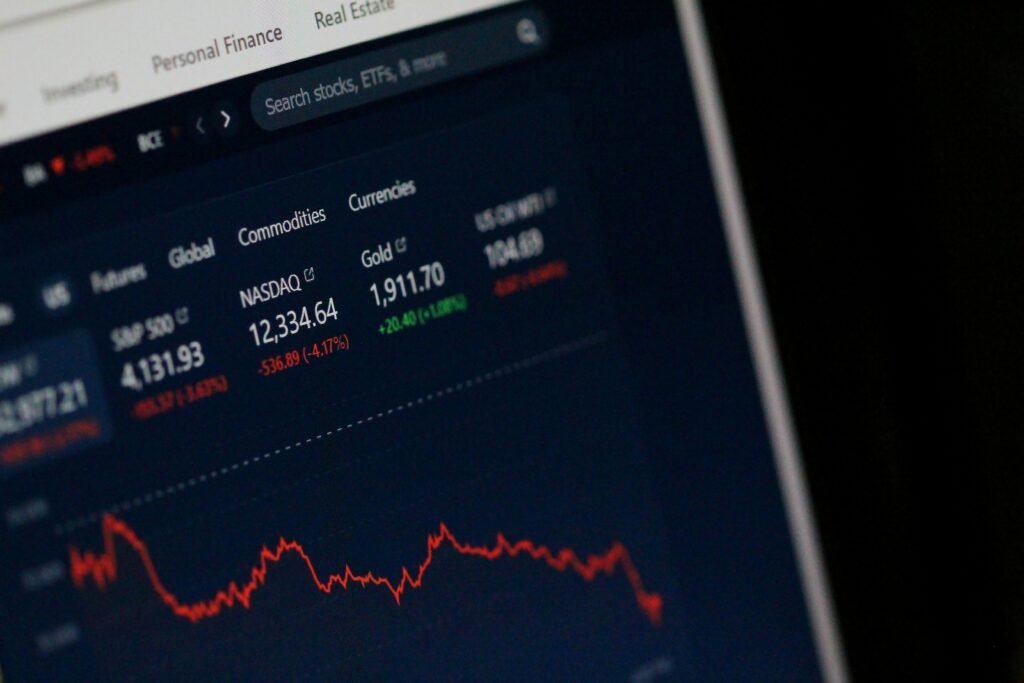
Copy trading, a method enabling investors to automatically replicate the trades of experienced traders, presents significant compliance challenges for both the platforms facilitating these services and the individual traders participating. These challenges stem from the complex regulatory landscape surrounding financial services, the potential for market manipulation, data privacy concerns, and the need for robust risk management. Understanding and addressing these issues is crucial for the sustainable growth and integrity of the copy trading ecosystem.
The regulatory environment for financial services is intricate and varies significantly across jurisdictions. Copy trading platforms operate in a space that often intersects with regulations governing investment advice, managed accounts, and the provision of financial technology.
Investment Advice and Licensing Requirements
One of the primary compliance hurdles is determining whether the copy trading service constitutes providing investment advice. In many countries, offering investment advice requires specific licenses and adherence to strict consumer protection rules. If a platform is perceived as recommending specific trades or traders, it may fall under these regulations.
- Discretionary vs. Non-Discretionary: Regulators often distinguish between discretionary management (where a manager makes decisions on behalf of an investor) and non-discretionary services (where an investor retains ultimate control). Copy trading models need to be carefully structured to avoid being classified as discretionary management without the appropriate licenses.
- Disclosure Obligations: Even if not deemed investment advice, platforms often have disclosure obligations regarding the risks involved in copy trading, the performance of the copied traders, and any fees or commissions charged.
Anti-Money Laundering (AML) and Know Your Customer (KYC)
Like any financial service provider, copy trading platforms are subject to AML and KYC regulations. This involves verifying the identity of users, monitoring transactions for suspicious activity, and reporting any such activity to the relevant authorities.
- Customer Due Diligence: Implementing robust KYC procedures is essential to prevent money laundering and terrorist financing. This typically involves collecting and verifying personal identification documents, proof of address, and in some cases, information about the source of funds.
- Transaction Monitoring: Platforms must have systems in place to monitor trading activity for anomalies that could indicate illicit behavior. This can include unusual trading volumes, frequent deposits and withdrawals, or trades that deviate significantly from a trader’s typical pattern.
Data Privacy and Security
Copy trading platforms handle sensitive personal and financial data. Ensuring the privacy and security of this information is paramount and falls under various data protection regulations, such as the General Data Protection Regulation (GDPR) in Europe.
- Consent and Data Usage: Platforms must obtain clear consent from users regarding the collection, storage, and use of their data. This includes how trading data is shared between the copied trader and the copier.
- Security Measures: Robust cybersecurity measures are necessary to protect against data breaches and unauthorized access to user accounts and financial information.
In the realm of trading, understanding the nuances of compliance is crucial, especially when engaging in copy trading across prop accounts. A related article that delves deeper into this topic is “Navigating Compliance Challenges in Copy Trading,” which provides valuable insights into the common pitfalls and lessons learned from real-world scenarios. For further reading, you can explore this informative piece at Navigating Compliance Challenges in Copy Trading.
Risk Management and Disclosure for Copied Traders
The traders whose strategies are copied (often referred to as “lead traders” or “strategy providers”) also face compliance considerations, particularly concerning their responsibility to disclose information accurately and manage the risks associated with their strategies.
Transparency in Performance Reporting
Accurate and transparent reporting of past performance is crucial for allowing potential copiers to make informed decisions. Misleading performance data can lead to regulatory scrutiny and consumer complaints.
- Objective Performance Metrics: Platforms and lead traders should provide objective performance metrics, including returns, volatility, drawdowns, and win/loss ratios. These metrics should be calculated using standardized methodologies.
- Disclosure of Fees and Costs: Any fees associated with copying trades, such as management fees, performance fees, or transaction costs, must be clearly disclosed.
Risk Disclosure and Suitability
Lead traders and platforms have a responsibility to disclose the inherent risks of trading and the specific risks associated with the strategies being copied. This helps ensure that copiers understand the potential for losses.
- Risk Warnings: Prominent risk warnings should be displayed, informing users that past performance is not indicative of future results and that they can lose money.
- Suitability Assessment (Where Applicable): In some jurisdictions, platforms may be required to conduct a suitability assessment to determine if the copy trading service is appropriate for a particular investor, considering their financial situation, knowledge, and experience.
Preventing Market Manipulation
Lead traders who manage significant capital through copy trading strategies could potentially engage in market manipulation. Regulatory bodies actively monitor for such activities.
- Prohibition of Wash Trading and Spoofing: Platforms need to have measures in place to detect and prevent manipulative trading practices like wash trading (simultaneously buying and selling the same financial instrument to create misleading activity) and spoofing (placing non-genuine orders to mislead other market participants).
- Insider Trading: Lead traders are subject to insider trading regulations. They must not trade based on material non-public information.
Platform-Level Compliance Responsibilities

Copy trading platforms are at the forefront of compliance challenges. They are responsible for creating a secure and regulated environment for their users.
Licensing and Registration
Depending on the specific services offered and the jurisdictions in which they operate, copy trading platforms may require various licenses and registrations from financial regulatory authorities.
- Investment Firm Licenses: In some cases, platforms might need to be registered as investment firms or broker-dealers, particularly if they offer execution services or manage client funds.
- Third-Party Provider Regulations: Regulations concerning providers of ancillary services to financial markets may also apply.
Operational Integrity and Due Diligence
Beyond regulatory licensing, platforms must ensure operational integrity and conduct due diligence on the traders they onboard.
- Onboarding and Vetting of Lead Traders: A robust vetting process for lead traders is essential. This could include reviewing their trading history, risk management strategies, and overall trading philosophy.
- System Audits and Security: Regular audits of trading systems and cybersecurity infrastructure are vital to ensure their reliability, security, and compliance with data protection standards.
Dispute Resolution Mechanisms
Clear and effective dispute resolution mechanisms are necessary to handle complaints and disagreements between users, between users and lead traders, and between users and the platform.
- Complaint Handling Procedures: Platforms should establish formal procedures for receiving, investigating, and resolving complaints in a timely and fair manner.
- Escalation Pathways: Clear pathways for escalating disputes to relevant regulatory bodies or arbitration services should be available.
Individual Trader Compliance Considerations

While platforms bear the primary burden of regulatory compliance, individual traders, both those who lead and those who copy, also have responsibilities.
Understanding the Terms of Service
All participants must thoroughly read and understand the terms of service of the copy trading platform. This document outlines the rules, responsibilities, and liabilities of each party.
- Reviewing Fee Structures: Understanding how fees are calculated and applied is crucial to avoid unexpected costs.
- Understanding Risk Disclosures: Paying close attention to all risk disclosures provided by the platform and the lead trader.
Responsible Trading Practices
Even when copying trades, individuals should maintain a responsible approach to trading and not blindly follow strategies without understanding the underlying risks.
- Monitoring Copied Trades: It is advisable for copiers to monitor the performance of the trades being replicated and to have stop-loss orders in place to limit potential losses.
- Diversification: Relying on a single lead trader or strategy can be risky. Diversifying across multiple traders or strategies can help mitigate risk.
Ethical Conduct for Lead Traders
Lead traders have a particular responsibility to act ethically and transparently.
- Avoiding Conflicts of Interest: Lead traders should avoid situations where their personal interests could conflict with the interests of those copying their trades.
- Accurate Representation: Ensuring that any promotional material or performance claims made about their strategies are accurate and not misleading.
In exploring the complexities of copy trading across prop accounts, it’s essential to consider the implications of compliance issues that have arisen in the community. A related article that delves into privacy concerns and regulatory challenges in trading can provide valuable insights. You can read more about these important topics in the article on privacy and compliance, which highlights lessons learned from real-world experiences. Understanding these aspects can help traders navigate the landscape more effectively and avoid potential pitfalls.
Emerging Compliance Trends and Future Outlook
| Metric | Description | Value / Example | Compliance Impact |
|---|---|---|---|
| Number of Prop Accounts Involved | Total proprietary trading accounts participating in copy trading | 15 | Higher risk of regulatory scrutiny due to multiple account management |
| Copy Trading Volume | Aggregate volume of trades copied across accounts | 120,000 trades/month | Potential for market manipulation concerns |
| Compliance Incidents Reported | Number of compliance issues identified related to copy trading | 4 | Indicates areas needing improved controls and monitoring |
| Average Time to Resolve Compliance Issues | Duration from issue detection to resolution | 10 days | Faster resolution reduces regulatory penalties |
| Percentage of Accounts with Proper Disclosure | Accounts that have documented copy trading agreements and disclosures | 80% | Ensures transparency and reduces legal risk |
| Frequency of Compliance Training | How often traders and staff receive compliance education | Quarterly | Improves awareness and reduces compliance breaches |
| Audit Coverage | Percentage of copy trading activities reviewed in audits | 30% | Higher coverage improves detection of non-compliance |
The regulatory landscape for copy trading is constantly evolving as regulators gain a deeper understanding of this financial technology.
Increased Regulatory Scrutiny
As copy trading gains popularity, financial regulators worldwide are paying closer attention. This is leading to new guidelines and enforcement actions.
- Focus on Retail Investor Protection: Regulators are increasingly focused on protecting retail investors from potential harm, especially in newer or less understood financial products and services.
- Cross-Border Regulatory Harmonization: Efforts towards greater international cooperation and harmonization of regulations may impact how copy trading platforms operate globally.
Technological Advancements and Compliance
Technological advancements, such as artificial intelligence and blockchain, are being explored for their potential to enhance compliance in copy trading.
- AI for Fraud Detection: AI algorithms can be used to identify fraudulent activities, market manipulation, and suspicious trading patterns more effectively.
- Blockchain for Transparency: Blockchain technology has the potential to provide a transparent and immutable record of trades and performance data, which could enhance trust and accountability.
The Role of Industry Self-Regulation
Industry bodies and associations can play a role in developing best practices and promoting ethical standards in the copy trading space, complementing formal regulatory frameworks.
- Code of Conduct: Developing and adhering to a code of conduct can help establish a baseline of responsible behavior for platforms and traders.
- Certification and Accreditation: Potential for industry-led certification programs to signal adherence to best practices.
Conclusion: A Proactive Approach to Compliance
Navigating the compliance challenges in copy trading requires a proactive and continuous effort from all stakeholders. Platforms must prioritize regulatory adherence, robust risk management, and transparent operations. Lead traders need to commit to ethical conduct and accurate disclosure, while individual copiers should engage responsibly and stay informed. By embracing a culture of compliance, the copy trading industry can foster trust, protect investors, and ensure its long-term viability and growth. The dynamic nature of financial regulations and technology means that staying informed and adaptable is not just beneficial, but essential for success.
Practical Checklist for Navigating Copy Trading Compliance
- For Platforms:
- Jurisdictional Analysis: Thoroughly understand the regulatory requirements in all operating jurisdictions.
- Licensing: Secure all necessary financial licenses or registrations.
- Robust KYC/AML: Implement and maintain stringent customer verification and transaction monitoring.
- Clear Disclosures: Ensure all risks, fees, and performance data are transparently communicated.
- Security Measures: Invest in strong cybersecurity to protect user data.
- Dispute Resolution: Establish clear and accessible complaint handling processes.
- Lead Trader Vetting: Develop a rigorous process for onboarding and monitoring strategy providers.
- For Lead Traders:
- Performance Accuracy: Ensure all reported performance metrics are truthful and verifiable.
- Risk Disclosure: Clearly communicate the specific risks of your trading strategy.
- Ethical Conduct: Avoid conflicts of interest and adhere to market integrity principles.
- Understand Platform Rules: Comply with the terms of service of the platform you operate on.
- For Copiers:
- Read Terms and Disclosures: Carefully review all documentation before committing capital.
- Understand Risks: Be fully aware that losses can occur and past performance is not guaranteed.
- Monitor Performance: Regularly review the trades being copied and the overall performance.
- Diversify: Avoid placing all your capital with a single trader or strategy.
- Set Risk Limits: Utilize stop-loss orders and manage your overall risk exposure.
Sources
- Official documentation from financial regulatory bodies in key jurisdictions (e.g., SEC, FCA, ESMA, ASIC).
- Reputable financial news outlets and industry analysis reports.
- Terms of Service and Privacy Policies of established copy trading platforms (where publicly available and relevant for illustrating general principles).